March 10, 2026
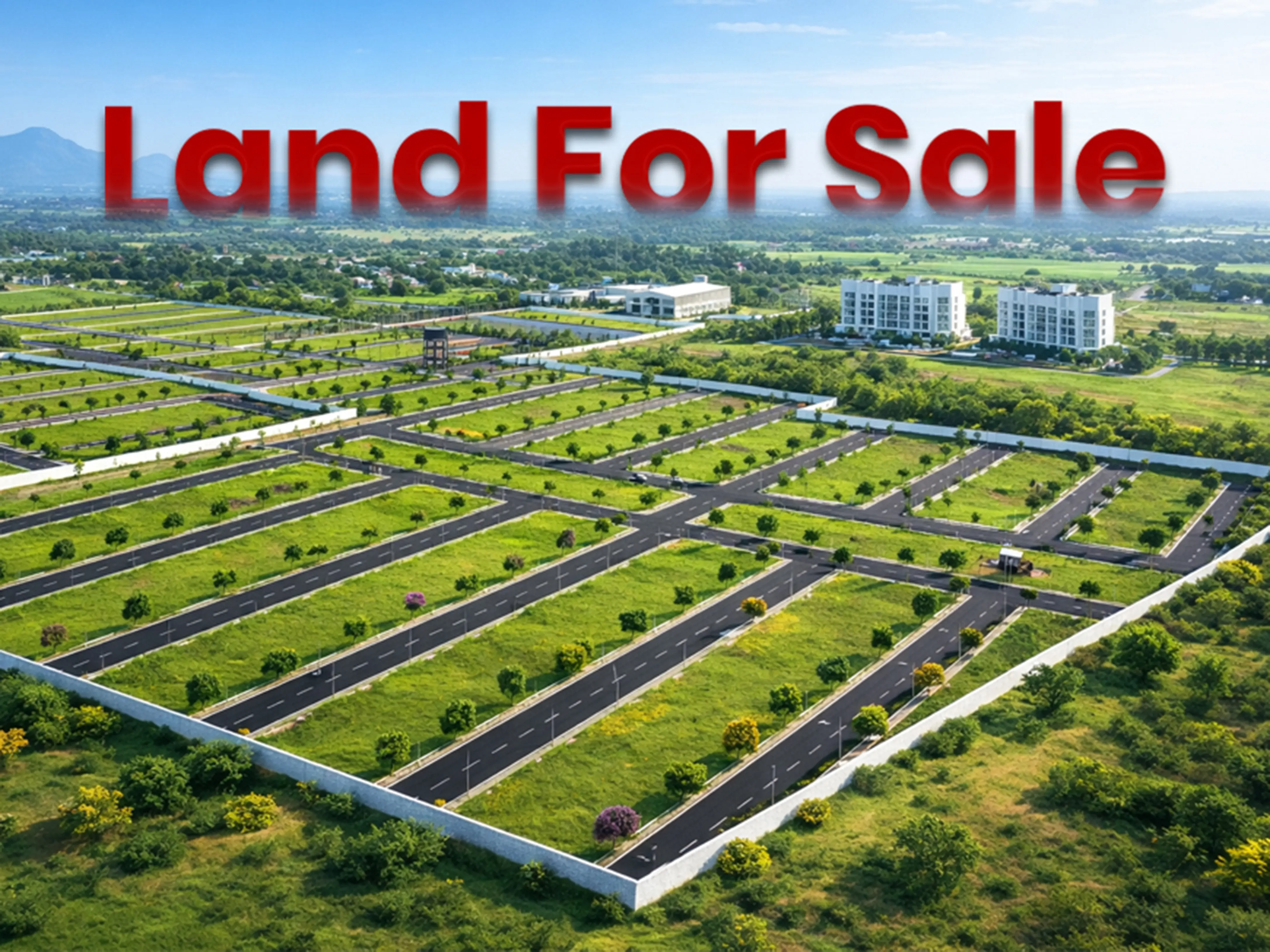
When it comes to real estate investment, land for sale remains one of the smartest and most rewarding opportunities — whether you want to build your dream home, expand your investment portfolio, or secure a future asset.
In a growing market with increasing urbanization and infrastructure development, owning land can offer both emotional satisfaction and solid financial growth. In this guide, we’ll walk through everything you need to know before buying land, how to choose the right plot, and why land is an excellent investment today.
Unlike buildings that depreciate over time, land is a finite resource that usually appreciates as nearby development increases — especially with infrastructure like highways, schools, and commercial hubs expanding rapidly across India. Plots of land provide flexibility — you can build now, build later, rent it out, or simply hold as an appreciating asset.
Whether you’re a first‑time buyer or an experienced investor, buying land requires careful planning and knowledge.
Before signing any agreement or handing over money for land, make sure you consider the following key points:
| Factor | Description |
|---|---|
| 1. Location and Accessibility |
Location is the single most important factor when buying land for sale. Look for plots that are near:
|
| 2. Legal Verification and Documentation |
Before finalising a purchase, verify legal documents such as:
|
| 3. Plot Size, Shape & Topography |
Consider practical features:
|
| 4. Utility Connections |
Ensure access to basic utilities:
|
Here’s how you can narrow down the best available land for sale:
Look at planned developments around the plot — such as new roads, metro lines, or township projects. These external improvements often foreshadow strong growth in land value over the next decade.
| Strategy | Description |
|---|---|
| Build Strategically |
If you plan to construct on your land, think about practical design and long-term space utilisation. Consider:
|
| Rent & Earn | If you’re not ready to build immediately, you can lease farmland or land for commercial purposes depending on zoning regulations. A leased plot not only generates income but also keeps the land active and visible in the market. |
| Resale or Capital Gains | In many markets, even undeveloped land appreciates over time. If the neighborhood develops quickly, resale after a few years often yields a higher return than many traditional investment options. |
Even experienced investors can make mistakes. Here are common pitfalls to watch for:
Being alert to these issues protects your investment and peace of mind.
A search for land for sale should be both exciting and strategic. With the right approach — from understanding local markets to verifying legal documents — buying land can be one of the most rewarding financial decisions you make.
Whether you’re searching for a residential plot to build your future home or an investment land parcel that appreciates over time, always prioritise transparency, location, and professional guidance.
If you’re interested in quality plots with clear titles and strategic locations in South Tamil Nadu, consider exploring options from reliable developers such as those featured at <Velavan Properties — where planning meets trust and value.
📍 Address:
Velavan Properties,
No.4, Balavinayagar Kovil Street,
Thoothukudi - 628002,
Tamilnadu, India
📞 Phone: +91 92800 92564 | +91 87541 30222
📧 Email: info@velavanproperties.com
🌐 Website: velavanproperties.com
